
Women are increasingly becoming wealth stewards, involved in business and investment, and their superior longevity to men means they hold a rising share of money in motion. But there is still a disconnect between these facts and how women fare in practice. There may even be backwards steps.
With International Women’s Day taking place on 8 March, it is an opportunity for the world’s wealth sector to reflect on how far women have travelled in achieving parity with men in financial services, investment and business, and what further progress needs to be made. Of course, this is an issue all year round – not just for an annual date, however valuable a focus point can be.
And while hardly a new topic – see this WealthBriefing study of such issues in the Middle East – it continues to be an important one. A “vibe shift” against forms of diversity, equity and inclusion polices in recent years, for example under US President Donald Trump, and elsewhere, may have even stifled change and required a rethink on how women's equality should be framed. And there’s also AI to consider – and whether various biases, conscious or otherwise, are embedded in it to women’s detriment.
Change the conversation
“What needs to change is the culture of the conversation itself. Women are increasingly the long-term stewards of family wealth, yet they’re still not always centred in planning discussions in a meaningful way,” Wendy Holmes (pictured below), managing director, private wealth advisor at UBS Private Wealth Management, part of , told this publication in an email. Holmes is based in New York. “Longer lives bring both opportunity and responsibility, and women are often managing wealth later in life, often independently.”
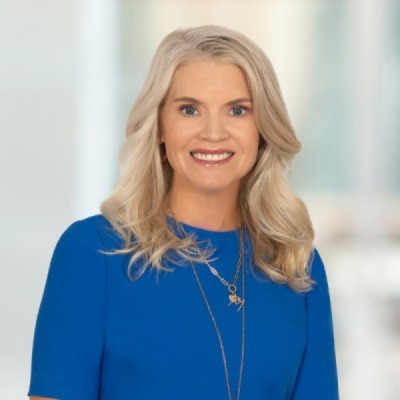
Wendy Holmes
“To reflect this reality, women need to be actively engaged and empowered in these conversations from the outset – encouraged to fully understand their financial picture and to take ownership of trust and estate planning decisions,” Holmes said. “Just as importantly, the industry needs to recognise women not as secondary participants, but as primary decision-makers. That cultural shift – in how we listen, engage, and plan – is essential to building more thoughtful, lasting outcomes.”
With so much focus in the wealth sector about intergenerational wealth transfer, it is worth reflecting on global data showing that women tend to live longer than men. In 2021, this difference amounted to a five-year gap in global life expectancy: the average life expectancy was 73.8 years for women versus 68.4 years for men. (Source: Our World In Data, November 2023.)
Such a gap gives a particular edge to the phenomenon of being “suddenly single” through death or divorce, for example. Traditionally, widows and female divorcees had to work out how their former/late husbands handled wealth because previously they had not been closely involved. While social mores have changed on how couples’ handle money, challenges remain.
This publication asked Sneha Shah (pictured below), head of SEI Next at Nasdaq-listed , which is a specialist employment and partnership law firm in London, points out that women represent a minority (15.3 per cent) of partners in hedge funds, private equity and other financial services partnerships in the UK, virtually unchanged from how it stood a year ago. Some 794 women were partners at hedge funds, private equity firms and other financial services partnerships, compared with 4,411 male partners. (Source: Financial Conduct Authority; year-end 31 July 2025.)
Pushback
A political pushback against DEI has created a more difficult environment for progress in certain ways, Catriona Watt (pictured below), partner at Fox & Partners, said in a note about her firm’s findings. “There seems to have been very little progress in gender diversity within these firms over the last two years,” she said. “One reason may be the pushback against DEI policies, since the election of Donald Trump, is going to see progress continue to slow or even reverse. Whilst the UK and European arms of global financial services firms are not subject to the same kind of pressure as they are in the US, it is hard to argue that the current US government has created a helpful DEI environment for UK FS businesses.”
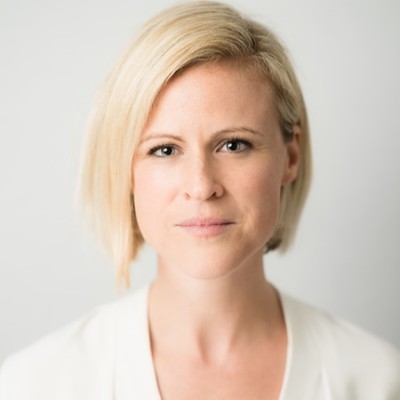
Catriona Watt
Watt said that diversity isn’t simply about fairness. It’s smart business.
For example the New York City retirement system is an example. The retirement fund, which serves 800,000 beneficiaries, increased its exposure to minority and women-led asset management firms between 2022 and 2024, with assets under management increasing from $16.8 billion in 2022 to over $23 billion in 2024. For the 2023-24 financial years, the fund logged a combined net return of 10 per cent, surpassing its 7 per cent actuarial target. The NYC Comptroller, Brad Lander, identified increased investment in diverse and emerging managers as a key contributor to this performance.
However, hedge funds and private equity firms have not faced the same levels of external scrutiny on diversity as publicly listed financial service companies, such as large banks. This may explain slow progress, Watt said.
No improvement
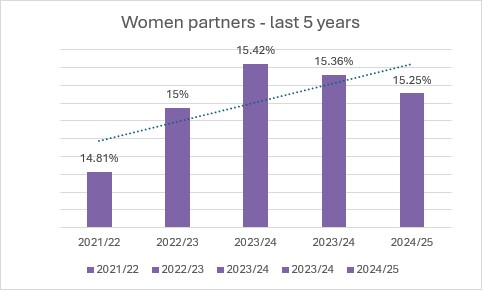
Source: Fox & Partners
Balancing act
A continuing cause of difficulty is that women with young children are under pressure to quit business, and even when they might return, they’ve lost out. With AI and other forces affecting white collar jobs, for example, it also means that the childcare issue takes on a new turn.
“According to a recent study almost a quarter of a million mothers with young children have left their jobs because of difficulties with balancing work and childcare. At the same time, we have the lowest birth rate in the UK since records began,” Natalie Cramp (pictured below), partner at , a commercial data partner focused on the investment world, said.
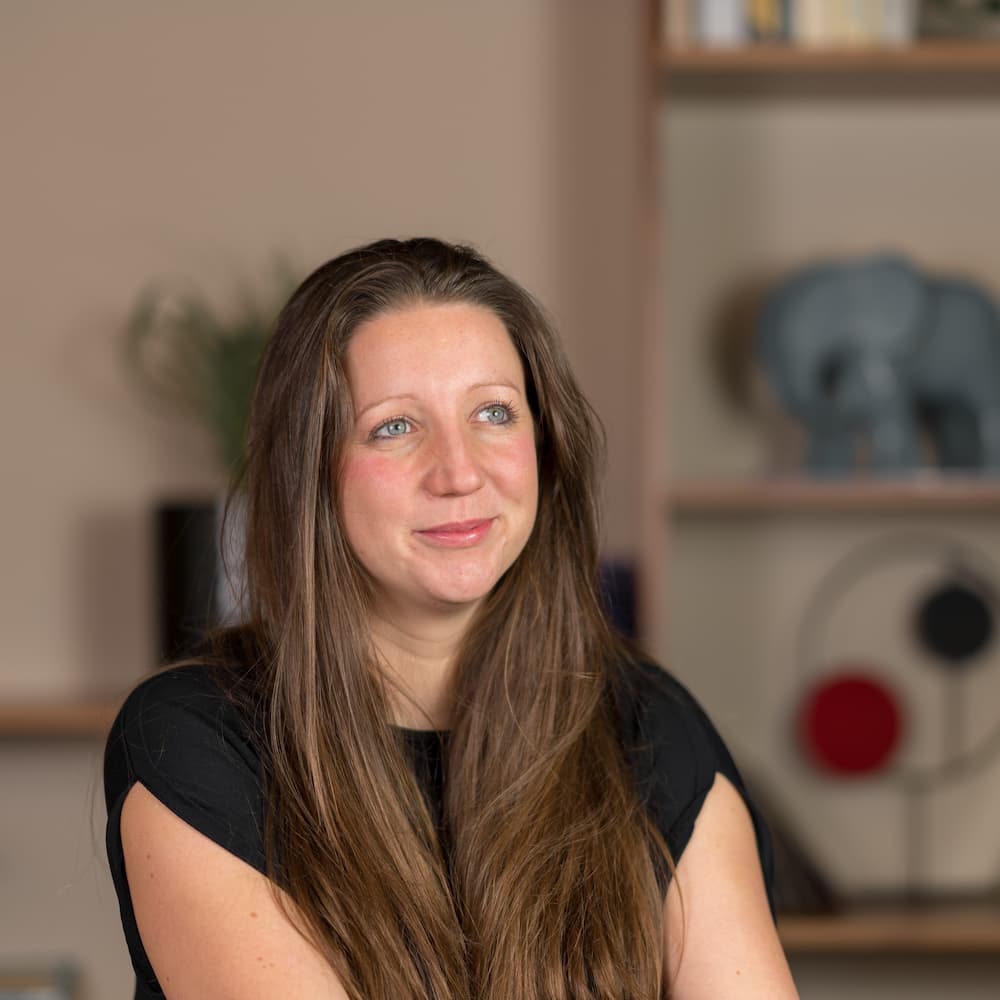
Natalie Cramp
“Despite significant progress in workplace equality, the `motherhood penalty’ persists. All too often, working mums are stuck in roles that are below their capabilities, earn far less than their male and non-mother counterparts, and miss out on progression opportunities. At the same time, childcare is incredibly expensive, often inflexible and that sits against a context of an increasing cost of living and the majority no longer living close to their ‘village’. Really, it’s no wonder that people are opting out of this life decision,” Cramp said.
Seat at the table
UBS’s Holmes said there is a confidence problem for some women in managing wealth.
“Many are proactive and deeply involved, whether that comes from building careers and businesses or navigating major life transitions,” Holmes said. “Challenges remain, however, particularly in respect of inclusion. In many households, roles and responsibilities naturally divide over time, and financial decision-making has often defaulted to one partner. As a result, women may find themselves less involved – not by choice, but by habit.
“That’s why having a seat at the table is so important, and why it matters to see others at that table you can relate to. When women are included early, encouraged to engage, and supported in taking ownership, the impact is meaningful. Shifting the culture from passive inclusion to true participation is where real progress continues to happen,” she said.
Holmes’ career is an example of the challenges and opportunities that women have in the wealth space, one that she has worked in professionally for more than 25 years.
“Over the years, I’ve seen first hand how a lack of planning or engagement can lead to very difficult outcomes, which is why I’m so committed to a patient, long-term partnership approach. There are many excellent advisors, but where I believe I add the most value is working alongside clients as a true partner including having the tough conversations – to help them make thoughtful decisions and ultimately achieve their goals,” Holmes said.
“The industry has made progress in raising awareness around women’s growing influence, and research such as UBS’s Own Your Worth has helped underscore just how central women are as wealth creators, inheritors, and long-term decision-makers. That visibility is an important step forward.
“However, awareness alone doesn’t change behaviour. Women remain underrepresented in advisory roles and leadership, and traditional assumptions still shape how conversations happen. I often say, `Have you ever heard of a working dad?’ – yet we still frame women’s professional and financial roles as exceptions rather than norms,” Holmes added.
See here, here and here for coverage from 2025 on IWD.
To comment on this article and suggest ideas, email the editor at tom.burroughes@wealthbriefing.com.