Practice Strategies
BNP Paribas WM Signals Younger Generation Engagement
The bank argues that although Asian families increasingly put succession structures into place, preparedness is inconsistent and needs attention.
BNP Paribas Wealth Management has wrapped up its inaugural programme created specifically for the younger generation of business and wealth-owning families across Asia.
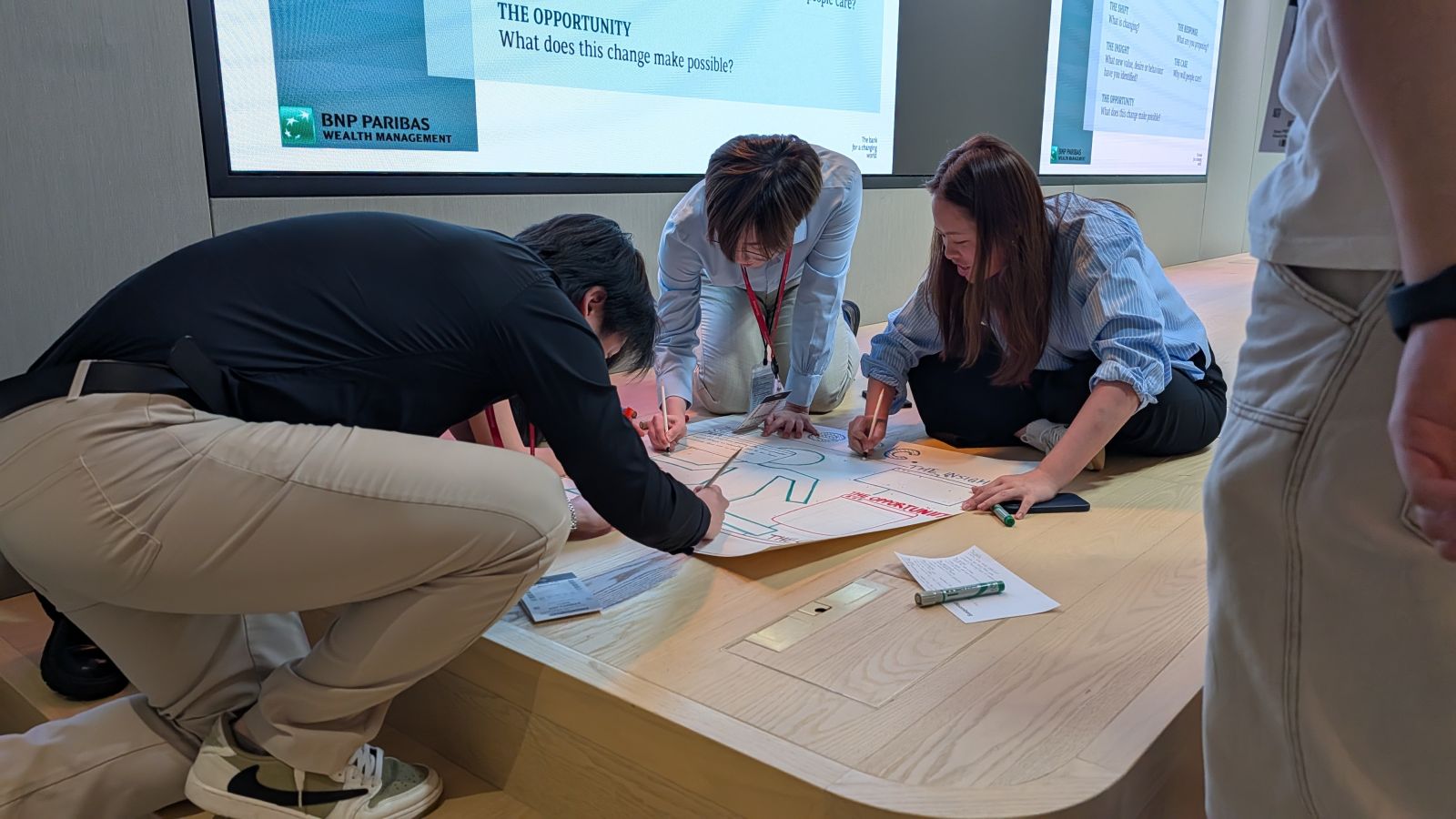
More than 60 participants from Hong Kong, Indonesia, mainland China, Malaysia, Singapore, Taiwan and Thailand attended the four-day “Peak Week” programme, held in Hong Kong from 11 to 14 August.
While the existing NextGen programme serves emerging successors aged 25 to 40, Peak Week delivered a curriculum for the 18 to 25 age group.
"Succession structures are increasingly in place among Asian families, but preparedness is less consistent," Lemuel Lee, head of wealth management, Hong Kong, BNP Paribas, said.
"Our Asia-Pacific Family Office Report shows that among APAC family offices without a formalised succession plan, 44 per cent cite the next generation as not yet sufficiently qualified and 38 per cent say they are simply too young. Peak Week is designed for precisely that interval: the years before a next-generation member is expected to hold a view at the family table,” Lee said.
Banks continue to lean into the global intergenerational wealth transfer phenomenon. Of the at least $80 trillion that is expected to be transferred globally, according to Edmond de Rothschild in a recent report, 14 per cent are in the Asia-Pacific region.
Participants explored macroeconomics and major asset classes alongside specialised sessions on legacy planning and personal branding. They also explored emerging trends from shifting luxury codes to discussions with leading Asian art-market tastemakers.
"The thinking that shapes how a family approaches wealth begins earlier than the industry tends to assume," Anton Wong, head of segmentation strategy and client acquisition, wealth management, BNP Paribas, said. "By the age of 25, many instincts around risk, purpose and responsibility are already formed. We would rather be a useful partner while that thinking is taking shape than introduce ourselves once it has settled."